


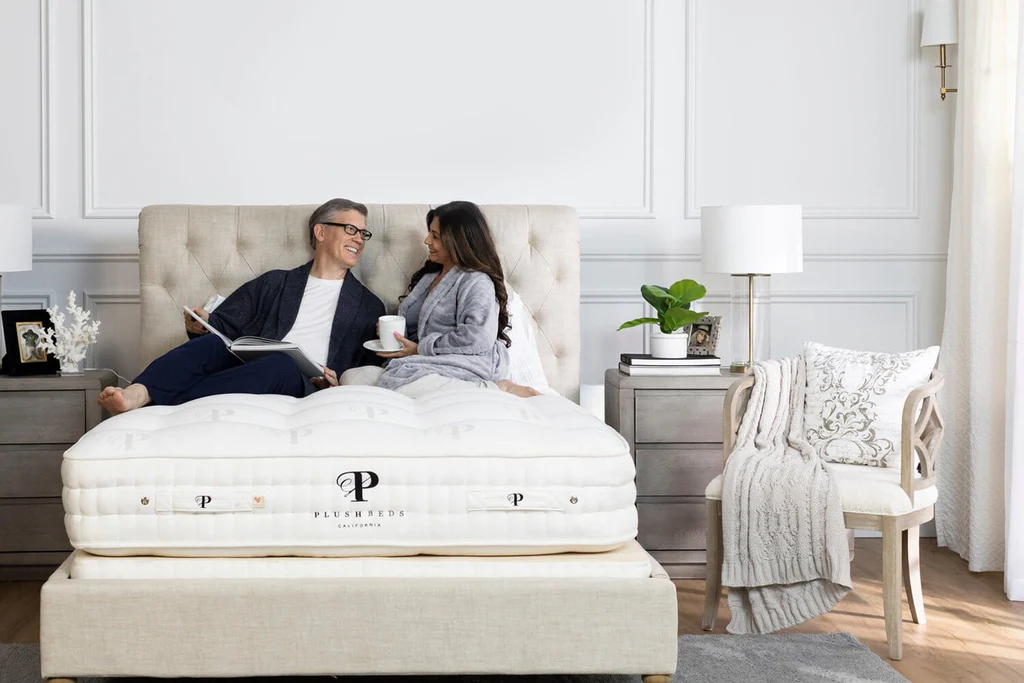

In a world of synthetic foams and chemical additives, PlushBeds stands out as a brand committed to natural, eco-friendly, and truly healthy sleep. Founded more than a decade ago, PlushBeds manufactures luxury mattresses, bedding, and sleep accessories using organic and botanical materials — and sells directly online, cutting out the middleman.
In this post, we’ll explore:
- What makes PlushBeds special
- Their product lines and standout models
- Certifications & quality standards
- Pros, cons, and what to watch out for
- Tips for choosing the right PlushBeds mattress
- Final thoughts
What Sets PlushBeds Apart
A Commitment to Health and Sustainability
PlushBeds emphasizes the use of organic cotton, organic wool, and natural latex. Their message: your mattress shouldn’t emit harmful chemicals into your home, but instead support a healthier sleep environment.
Direct-to-Consumer Model
By selling directly from their own website, PlushBeds aims to offer lower markup and more transparency.
Risk-Free Sleep Trial & Guarantees
PlushBeds provides a 100-night sleep trial so that buyers can test the mattress in real life.
They also offer a long warranty (often 25 years for manufacturing defects).
PlushBeds Product Lines & Standout Models
PlushBeds offers several mattress lines — some all-latex (no coils), some hybrid (latex + coil), plus toppers, pillows, bases, and bedding.
Here are a few of the flagship / popular models:
| Model | Type | Notable Features |
|---|---|---|
| Botanical Bliss | All-latex | One of their flagship mattresses — made with GOLS-certified latex. Offers excellent temperature regulation. |
| Signature Bliss Pillowtop | Hybrid / pillowtop | Combines a plush pillowtop with firm support underneath. |
| Luxury Bliss | Hybrid | A more “mid-tier” hybrid option merging support and comfort. |
| Eco Bliss | Budget-friendly hybrid | A more affordable hybrid model designed to bring some of PlushBeds’ eco-features to a lower price point. |
A Sleep Foundation review of the Botanical Bliss found it to be “made with organic and eco-conscious materials… excellent temperature control and bounce” though it comes at a premium price.
Certifications & Quality Standards
One of PlushBeds’ biggest selling points is its certifications — which help validate their eco claims:
- GOLS (Global Organic Latex Standard) — for their latex
- GOTS (Global Organic Textile Standard) — for cotton, wool, and other textiles
- GreenGuard Gold — for low chemical emissions
- eco-Institut — non-toxic / emissions testing
- FSC (Forest Stewardship Council) – for wood / frames used
These certifications help ensure that the materials are responsibly sourced, processing is controlled, and emissions are minimized.
Pros, Cons & Caveats
Pros
- Very clean, chemical-minimal sleep environment
- Strong temperature regulation (latex + breathable materials)
- Long warranty and good sleep trial
- Customization options (firmness, height, etc.)
- Strong brand reputation among eco-conscious consumers
Cons / Things to Watch Out For
- Price: these are premium products, and sometimes the cost is high (especially for thicker or more luxurious variants).
- Return shipping costs: if you decide to return, you may have to cover shipping (or pay a pickup fee) depending on policy.
- Firmness matching: some people may find latex less contouring than memory foam — pressure relief can depend heavily on your weight and sleep position.
- Availability & delivery times: because these are handcrafted or made-to-order, shipping can take time.
Consumer reviews reflect both praise and occasional frustration — many are thrilled with sleep comfort, but some cite customer service or minor defects in non-mattress items.
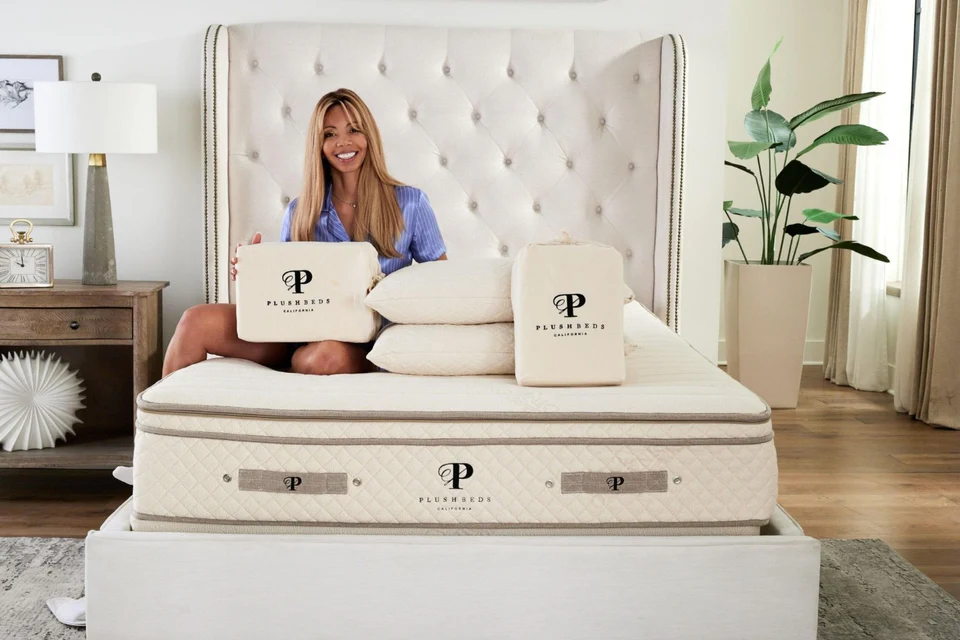
Explore More
PlushBeds offers luxury organic mattresses, bedding, and sleep products designed for comfort, sustainability, and healthier, eco-friendly living.
How to Choose the Right PlushBeds Mattress
Here are tips to guide you (or your readers) in selecting the model that fits best:
- Know your comfort preference
- Do you like soft, medium, or firm?
- Latex tends to be springy rather than sinky.
- Consider sleep position
- Side sleepers may want more cushioning around hips & shoulders.
- Back and stomach sleepers may prioritize support and spinal alignment.
- Temp control matters
- If you tend to sleep hot, go for models with more airflow (latex, wool, breathable covers).
- Height / thickness
- Thicker mattresses cost more.
- Sometimes height can influence edge support or feel.
- Budget vs features trade-off
- Higher-end models bring more layers, better materials, but come with steeper price tags.
- Trial and return policy
- Use the 100-night trial fully.
- Check what expenses (if any) you must bear for returns.
Final Thoughts
If your audience cares about clean air, sustainability, and long-term sleep health, PlushBeds makes a compelling option. Their combination of natural materials, strong certifications, and direct-to-consumer model give them a solid edge in the “green mattress” market.
That said, the premium cost and logistics (shipping, returns) mean it might not be ideal for everyone. So the key message could be: “If you’re willing to invest in quality sleep and environmental safety, PlushBeds delivers — just do your homework on comfort preferences and trial terms.”
If you like, I can polish this post (shorter or longer), add SEO keywords, or adapt it for a particular audience (e.g. eco-travelers, parents, premium consumers). Do you want me to format it into a blog-ready version with title, headings, and call-to-action links?